
Most Aussie punters reckon counting cards is a sneaky shortcut to beating the house, but modern table rules have shifted the ground underfoot. This piece looks at how blackjack card counting rule changes affect your play, why operators tweak limits, and whether you should bother learning the skill at all.
How Card Counting Actually Works On Modern Tables
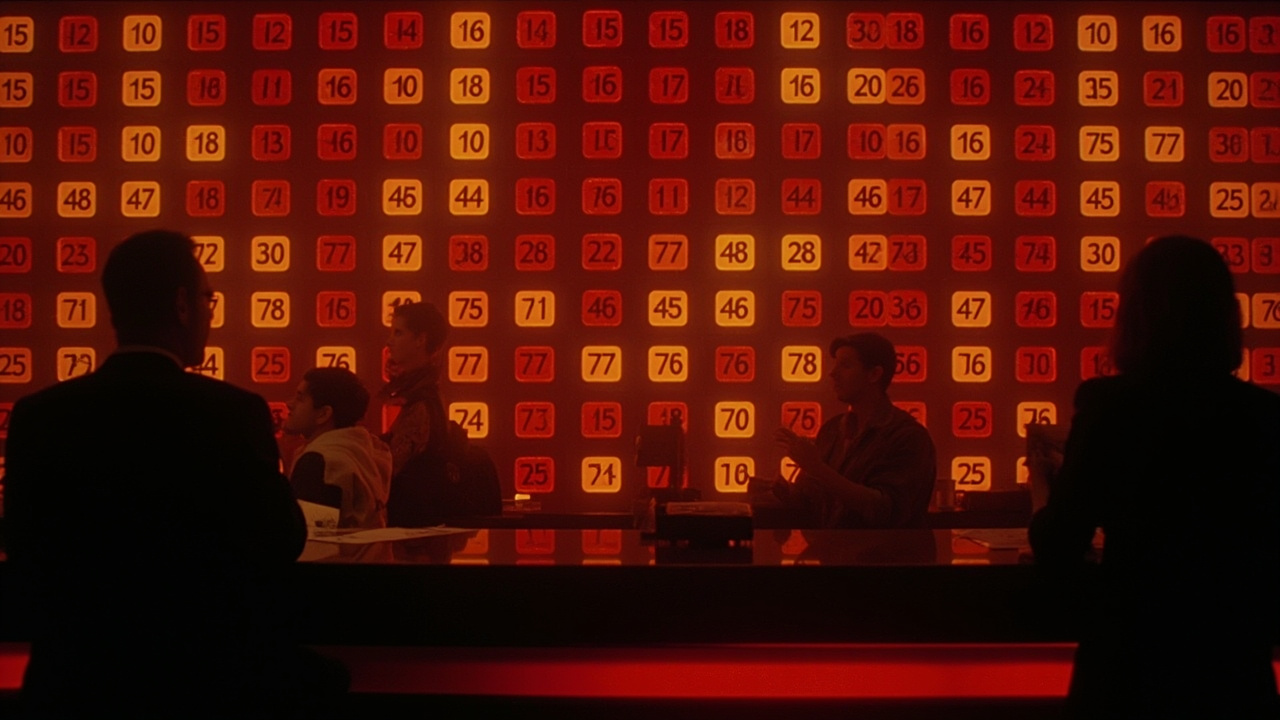
Card counting isn’t magic; it is a method of tracking the ratio of high to low cards remaining in the shoe. When the deck tilts toward tens and aces, the player holds a statistical edge, and bet sizing adjusts accordingly. The trouble is that Australian floors and online operators have tightened conditions to squeeze that edge back toward the house.
Rule tweaks like earlier shuffling, fewer small cards, or restricted doubling after splits change the count’s value. A six-deck shoe shuffled after half the cards are dealt cuts the window for advantage play significantly. You might still track the deck, but the profit margin shrinks to a point where variance eats your bankroll before the edge shows up.
From a UX perspective, I have spent years designing payment flows where clarity matters more than cleverness. The same principle applies here: if the table rules are opaque or shift mid-session, the player cannot make a clean decision about bet sizing. Good interface design mirrors good table design – both need predictable inputs so the user knows exactly what they are signing up for.
Why Operators Adjust The Rules
Casinos and online operators are businesses, and their priority is keeping the house edge stable across thousands of hands. When a counting method becomes well known, floors respond by changing penetration depth, reshuffling frequency, or bet spread limits. The goal is not to ban players; it is to keep the maths working in the operator’s favour.
A conversation I had with a games operations manager in Hobart last arvo makes this clear. He explained that a single table running a deep-penetration shoe can attract advantage players who flatten the edge across the whole pit. His team would rather adjust the shuffle point than lose the table’s long-term yield. The player experience stays smooth, but the maths behind the felt changes quietly.
Online platforms face the same pressure, though the implementation differs. Digital shoes are controlled by the software, so rule changes can be deployed instantly across a game variant. That means a count-friendly setup today might be replaced by a tighter shuffle rule tomorrow without any notice on the lobby screen. Players who rely on a fixed counting system need to check the table rules every session, not just once at signup.
For those testing a new platform, a goldenbet promo code 100 free spins no deposit can ease the first session, but bonus mechanics rarely line up with serious blackjack study. Free spins target slots, and the wagering conditions on table games often sit separately. If your aim is to practise counting, focus on a low-limit table with transparent rules rather than chasing a bonus that does not match the skill you are building.
Who This Approach Suits Best
Card counting under changed rules suits players who treat blackjack as a long-term exercise in discipline, not a quick win. You need a bankroll that absorbs variance, a clear count system you can run without errors under pressure, and the patience to sit through losing stretches when the edge is small. The rule changes mean the upside is narrower, so the player who thrives here is the one who values process over a big night.
This approach does not suit casual punters who want a simple night out with mates. If you are playing for entertainment and a few drinks on a Friday arvo, the extra mental load of tracking cards and adjusting bets is overkill. The rule changes actually work in your favour here, because they keep the game closer to a standard house-edge experience without the false promise of a guaranteed edge.
High-stakes players should also weigh the broader casino environment. Baccarat is a favourite of high rollers and was famously the game of choice for James Bond in the early novels, which tells you something about where serious money often sits. Wheel of Fortune (Big Six) is a large vertical wheel game with a notoriously high house edge, so it is the opposite of what a disciplined card counter wants. Australia competes for Asian high rollers with its integrated resorts, and that competition sometimes pushes floors to offer tighter, more controlled table conditions that suit operators more than advantage players.
Picking A Table That Matches Your Style
Start by checking the shuffle point and the number of decks before you sit down. A shallow shuffle and fewer decks generally mean less room for a count to develop, while deeper penetration gives a disciplined player more runway. Read the table placard or the game info screen carefully, because the wording on doubling, splitting, and surrender changes the maths more than most players realise.
If you are playing online, treat the lobby like a product screen: look for clear rule labels, not flashy thumbnails. The best setup for a counting exercise is a game that states its penetration, deck count, and bet limits in plain language. That way you can decide whether the edge is worth the effort before you commit any cash. goldenbet promo code 100 free spins no deposit
Final Thoughts
Blackjack card counting rule changes are less about shutting down a cheat and more about keeping the table maths balanced. For the right player, the skill still has value, but only alongside strict bankroll control, clear rules, and realistic expectations. For everyone else, a straightforward table with transparent conditions is the better fit.
Glossary
- Penetration – how far into the shoe the dealer deals before shuffling.
- Bet spread – the range between your minimum and maximum bets as the count shifts.
- House edge – the built-in mathematical advantage the operator holds over the player.
- Advantage play – any legal method that seeks to tilt the long-term expectation toward the player.