
Most punters reckon the choice between online pokies vs real pokies comes down to odds alone, but the real split sits in how each environment handles your time, your wallet, and the way a session actually feels. A physical floor gives you a shared room, a live rhythm, and a tangible stop point; a digital lobby gives you instant access, a quieter pace, and a different way of tracking spend. This comparison focuses on interface, localisation, and everyday usability so you can see which setup suits the way you actually play.
How each setup handles the session
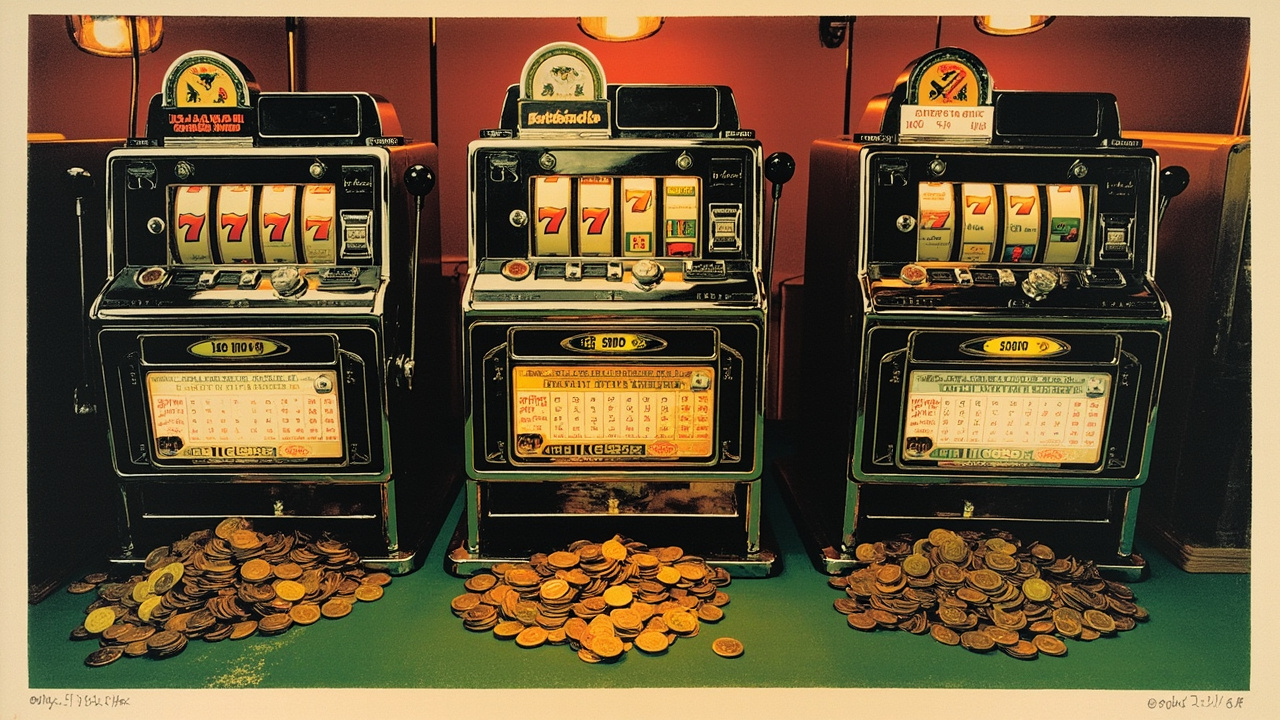
The focus here is what you notice before the first spin, because that is where the two formats diverge most sharply. A real venue asks you to travel, find a booth, and settle into a physical machine with buttons, a ticket printer, and a crowd around you. The interface is tactile and fixed, so you learn the layout once and repeat it. An online lobby puts every title on a screen, with menus, filters, and a balance that updates instantly, which suits players who want to switch games without walking across a floor. When you are comparing online pokies vs real pokies, the practical question is whether you prefer a shared room or a private screen, because that choice shapes every other detail. If you want to read a clear breakdown of how each environment fits different routines, https://gargopermits.com/ lays out the differences in a way that is easy to scan. The point is not which one looks flashier; it is which one matches the pace you want on a Tuesday arvo versus a Saturday night.
Interface, localisation, and everyday usability
Visual identity and navigation on each format
A real floor leans on signage, lighting, and physical placement. You spot a machine by its shape, its lights, and the row it sits in, then work the screen and buttons in front of you. Navigation is mostly spatial, so you return to the same spot or ask staff where a newer title lives. An online lobby leans on search, category tiles, and a persistent menu, so you sort by provider, theme, or volatility instead of wandering. That structure suits players who like to jump between titles quickly, but it also means you spend more time in menus if you have not set favourites. The visual identity differs too: a venue uses the look of the room and the machine cabinet, while a digital lobby uses colour, icons, and layout density to keep titles readable on a phone or desktop. When you line up online pokies vs real pokies on usability, the venue rewards familiarity and the lobby rewards sorting.
Language, currency, and local fit
Language and currency are where localisation shows up most clearly. A physical venue in Australia runs in Australian dollars, with signage and staff speaking in local terms, so the money you load and the tickets you print match what you already use. An online lobby can display Australian dollars too, but the underlying account, payment routes, and support language may sit elsewhere depending on who runs it. That matters because a clean local fit reduces friction when you check your balance, read a paytable, or contact support. Regional Queensland players often notice this most, since a venue in Townsville or Cairns keeps the whole experience in one place, while a digital lobby can feel local on the surface but still route details through a different base. Gibraltar is another well-known base for online betting operators, and that kind of offshore hub can change where account details and support actually sit, even when the screen looks Australian. The Wynn and Encore are known for their luxury and curved bronze towers, which is the kind of physical identity a venue can build into a room; a digital lobby has to do the same job with layout, icons, and consistent terminology instead.
Matching the format to how you actually play
The choice comes back to your routine and how much structure you want around a session. If you want a fixed trip, a shared atmosphere, and a clear end point when you walk out the door, a real venue fits that pattern neatly. If you want shorter bursts, faster switching, and a screen that keeps everything in one place, a digital lobby suits that better. The usability details matter because they decide whether a session feels calm or fiddly. Thomas Henderson, Head of Live Casino, Boomerang Gaming Insights, has noted that players who value a steady rhythm often prefer a physical floor because the room itself sets the pace. Sophie Harris, Head of Operator Partnerships, Federation Betting Insights, has pointed out that a lobby can suit players who want to move between titles quickly, provided the menus and local language stay clean. Packed tighter than a Melbourne tram on AFL Grand Final day, a busy floor can be part of the appeal or part of the irritation, depending on your mood. As chaotic as the Bunnings sausage sizzle queue at midday on a Saturday, a crowded room changes how you move between machines, while a private screen keeps that variable out of your session.
- Decide whether you want a shared room or a private screen before you load up.
- Check that the currency, language, and support details match your local expectations.
- Set a stop point before you start, whether that is a time limit or a spend limit.
- Use the navigation that suits the format, whether that is walking the floor or sorting the lobby.
- Keep the session simple by sticking to one environment per night instead of mixing both.
For most players, the better fit is the one that matches the way you already spend your time, because the format shapes the session more than the titles do.